




How to Strengthen Your Hair from Root to Tip
How to Strengthen Your Hair from Root to Tip
Introduction
Strong, healthy hair is not about the products on your shelf. It is about understanding where hair strength actually comes from and building habits that support that. The good news is that most of what damages hair, and most of what strengthens it, is within your control. This guide covers the complete picture, from scalp health to styling technique, with practical steps you can start this week.
It starts at the scalp
Every strand of hair grows from a follicle embedded in your scalp. The health of that follicle determines the diameter, strength, and growth rate of the strand that emerges from it. A poorly nourished, inflamed, or congested scalp produces thinner, weaker hair at the root, no matter what you apply to the lengths.
The most effective thing you can do for scalp health is improve circulation. Blood flow delivers the oxygen, nutrients, and growth factors that follicles need to produce strong hair. The best tool for this? A scalp massager. Use one for two to three minutes before your shower, working in small circular motions across your entire scalp. Studies have shown that regular scalp massage can measurably increase hair thickness over six months. It also feels extraordinary.
If you have product build-up, dandruff, or an oily scalp, clarify once a week with a scalp scrub or a diluted apple cider vinegar rinse before your regular shampoo. Build-up suffocates follicles and inhibits growth.
Washing: what most people get wrong
The most damaging thing that happens during a wash routine is not the shampoo. It is the combination of mechanical stress and heat that follows. Here are the rules that make the biggest difference:
- Wet hair is fragile: The protein bonds that give hair its structure are temporarily weakened when wet. Vigorous towel drying or brushing wet hair causes enormous breakage. Use a microfibre towel to gently press, not rub, and let hair dry partially before detangling.
- Wide-tooth comb over brush: When you must comb wet hair, use a wide-tooth comb and start from the ends, working upward. Never start at the root when hair is wet.
- Flip and rinse: When rinsing out conditioner, flip your hair upside down. This lifts the roots and helps prevent heavy conditioner from weighing down the scalp zone, which can congest follicles.
- Rinse with cool water: Finishing with a cool rinse seals the hair cuticle, making each strand smoother and more reflective. It also reduces frizz significantly.
Heat styling: the damage you can prevent
Heat is unavoidable for many people but the damage it causes is largely preventable with two steps.
First, always use a heat protectant. Not a leave-in conditioner, not an oil, but a product specifically formulated with polymers that form a protective barrier around the hair shaft and raise the temperature threshold before damage occurs. Apply it to damp hair before blow-drying and again to dry hair before using hot tools.
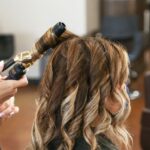
Second, lower your heat setting. Most people use their tools at the maximum temperature out of habit or impatience. For fine or damaged hair, 180 degrees Celsius (350 Fahrenheit) is usually sufficient. For thicker, coarser hair, 200 degrees (390 Fahrenheit) is the upper reasonable limit. Anything beyond that accelerates protein degradation.
Give your hair at least two fully heat-free days per week. This is not optional if you want stronger hair. Two days of rest allows the hair’s moisture balance to restore and reduces cumulative thermal stress.
Nutrition and hair growth
Hair is made primarily of keratin, a protein. It also requires iron, zinc, biotin, and vitamins D and E to grow and maintain structural integrity. If your diet is consistently low in protein or any of these micronutrients, it will eventually show up in your hair. Increased shedding, slower growth, and brittle texture are common early signs of deficiency.
You do not need to take supplements unless a blood test confirms a deficiency. Focus on whole food sources: eggs for biotin and protein, red meat or lentils for iron, fatty fish for vitamin D and omega-3s, and pumpkin seeds for zinc. If you are vegan or have dietary restrictions, speak to a healthcare provider about targeted supplementation.
The role of hair tools in long-term strength
Your tools matter more than most people realise. Brushes with boar bristles or flexible nylon tips distribute scalp oils along the hair shaft while detangling, which is conditioning and protective in one step. Silk or satin pillowcases dramatically reduce friction-based breakage compared to cotton. Loose, fabric-covered hair ties prevent the crimping and snapping that standard elastic bands cause.
Invest in quality tools and they will pay for themselves in retained length and reduced breakage within a few months. Browse our hair care tool collection at Stara Beauty USA for everything from scalp massagers to professional-grade detangling brushes.