


Hair Weave Buying Guide for Kenya: How to Choose Quality Weaves Without Overpaying (2026)
Introduction: Why Hair Weave Kenya Buyers Need a Different Kind of Guide
Search “hair weave Kenya” and you’ll find hundreds of vendors — River Road stalls, Eldoret salons, TikTok sellers, and online stores — all claiming “100% human hair.” The truth is that the Kenyan weave market is crowded with mislabelled synthetic-human blends, and first-time buyers often pay premium prices for mid-grade hair. This guide breaks down exactly what to look for when buying a hair weave in Kenya, what you should expect to pay in KES, which styles are actually worth the money right now, and how to avoid the most common mistakes Kenyan buyers make before their next track-and-sew or full sew-in appointment.
Whether you’re comparing a hair weave in Kenya from a Nairobi salon against an online order, or trying to figure out why one 100% human hair weave costs three times more than another, the fundamentals below apply the same way.
Understanding the Three Grades of Weave Sold in Kenya
Before comparing prices, it helps to know what’s actually on the shelf when you shop for a human hair weave in Kenya.
Synthetic weave. Made from fibre, not hair. Affordable and fine for short-term protective styles, but it doesn’t take heat well, tangles faster, and rarely lasts beyond a few installs.
Semi-human (blended) weave. A mix of human hair and synthetic fibre. This is the middle-market option many Nairobi sellers stock — it looks natural in photos but behaves more like synthetic hair once washed and styled repeatedly. This is the grade most frequently mislabelled as “human hair” in the Kenyan weave market.
100% human hair (Remy). Cuticles are aligned in one direction, which is why it doesn’t tangle or shed the way non-Remy human hair does. It can be coloured, curled, flat-ironed, and reused across multiple installs, which is what makes it the better long-term investment even at a higher upfront price.
If a seller can’t tell you which of these three categories their weave falls into, that’s your first red flag before you spend money on a hair weave in Kenya.
What Should You Actually Pay for Hair Weave Kenya? A Realistic Price Range
Prices vary by length, texture, and origin, but as a general guide for buying a hair weave in Kenya:
- Synthetic weave: roughly KSh 800 – 2,500 per pack
- Semi-human/blended weave: roughly KSh 3,000 – 6,000 per pack
- 100% human hair (Remy), local stock: roughly KSh 8,000 – 15,000 per bundle
- 100% human hair, imported (Vietnamese/Brazilian raw hair), longer lengths: roughly KSh 15,000 – 30,000+ per bundle
On top of the hair itself, budget separately for installation. Track-and-sew services in Nairobi salons typically run KSh 1,000 – 2,500, depending on the technique and whether you need a wash or treatment first. A full sew-in with closure or frontal, plus styling, can push the total service cost higher.
If you’re being quoted 100% human hair prices for something that behaves like semi-human hair after one wash, you’ve likely been sold blended hair at Remy prices — which remains the single most common complaint among buyers shopping for a hair weave in Kenya.
Popular Weave Styles in the Kenyan Market Right Now
Style trends move fast, but a few installation methods have stayed consistently popular for a hair weave in Kenya through 2026:
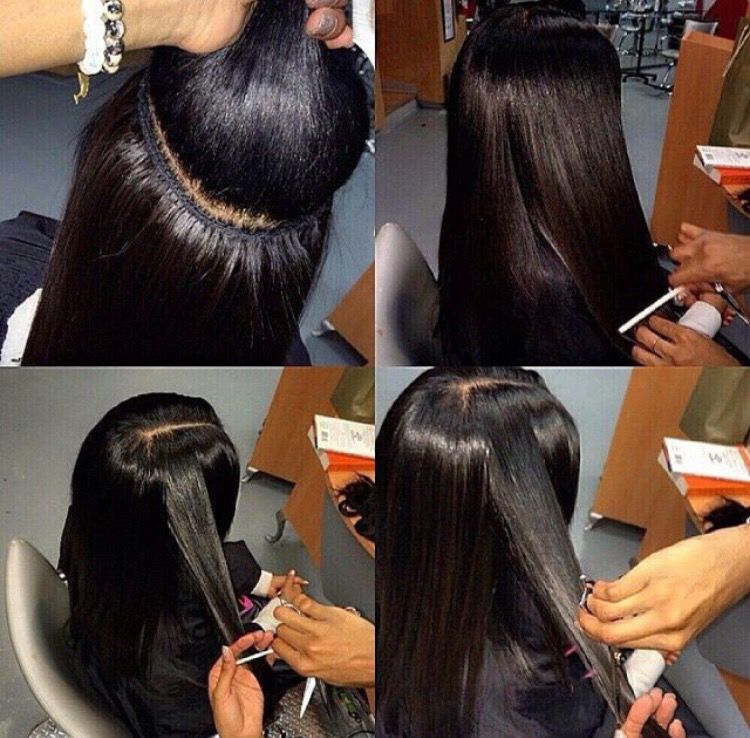
Track and sew. Natural hair is braided into tracks, and the weave is hand-sewn onto the braids rather than glued. It’s gentler on natural hair underneath and is the most requested method at Nairobi salons because it can be removed and redone without heavy product buildup.
Closure and frontal installs. A lace closure or frontal is used to create a natural-looking parting or hairline before the rest of the bundles are sewn or bonded in. This costs more than a standard track-and-sew but gives a more seamless, salon-finish look.
Glueless wigs. Pre-styled units that clip or band into place without adhesive. These have grown in popularity because they don’t require a salon visit for every install, which matters for buyers who want to change styles frequently without repeated installation costs.
Whichever method you choose, the hair grade discussion above still applies — a poor-quality bundle will look and behave the same way whether it’s glued, sewn, or clipped in. These hair weave Kenya trends aren’t going anywhere in 2026, so it’s worth getting the grade and price right from the first purchase.
Three Simple Tests to Confirm You’re Getting Real Human Hair
You don’t need lab equipment to catch a mislabelled weave. Try these before you commit to a purchase:
- The burn test. A small snip of real human hair singes and turns to ash, with a smell similar to burning hair. Synthetic fibre melts into a hard, plastic-like bead instead.
- The heat test. Run a flat iron over a small section. Human hair straightens smoothly and holds curl afterward. Synthetic or heavily blended hair will frizz, shine unnaturally, or feel “crunchy” once cooled.
- The tangle test. Run your fingers through dry, unwashed hair. Genuine Remy hair, with its aligned cuticles, moves smoothly. Non-Remy or blended hair tangles almost immediately near the roots.
Ask any seller — online or in-store — whether you can perform these checks before paying in full for a hair weave in Kenya. A seller confident in their stock won’t hesitate.
Buying Online vs. Buying In Person: What Changes
Kenyan buyers increasingly shop for a hair weave in Kenya online rather than only at River Road or Kenyatta Market stalls, largely because reputable online stores post clearer texture, weight, and length specifications than a market vendor can verbally confirm. When ordering hair weaves online instead of buying in person, a few things matter more:
- Check the listed weight in grams, not just “bundle” — a 100g bundle and a 120g bundle will look noticeably different once installed.
- Confirm the texture name matches what you want (straight, body wave, kinky straight, deep wave) rather than relying on the photo alone, since lighting changes how texture reads on camera.
- Look for care instructions included with the product — genuine human hair sellers usually specify wash temperature and product recommendations, because they know the hair needs to be maintained correctly to last.
- Confirm delivery timelines and packaging before ordering, especially for imported bundles, since longer transit times mean the hair should arrive sealed and tangle-free.
Making Your Weave Last Longer (and Justify the Price)
A well-chosen 100% human hair weave, properly cared for, can be reused across three to five installs — which is what actually makes the higher upfront cost worth it compared to repeatedly buying cheaper synthetic or blended hair. Between installs, sulfate-free washing and proper storage matter as much as the initial purchase decision; the American Academy of Dermatology’s guidance on hair and scalp care is a useful general reference for washing frequency and product choice that applies to both natural hair and installed extensions.
For full wash, storage, and styling steps between installs, see our complete guide on how to wash, style, and care for wigs and hair weaves. If you’re still deciding between a wig, closure, or full weave, our complete guide to hair weaves breaks down the differences in more depth. Getting this part right is what separates a good hair weave Kenya purchase from a wasted one.
Why Demand for Human Hair Weaves in Kenya Keeps Growing
The appetite for a well-made hair weave in Kenya isn’t a passing trend. The global human hair extensions market was valued in the billions in 2024 and continues to grow steadily year over year, according to industry market research from Fortune Business Insights. Locally, that growth shows up in the number of new salons, importers, and online sellers entering the Kenyan weave market every year — which is exactly why price and quality comparisons matter more now than they did a few years ago. More sellers means more variation in what’s actually being sold as “human hair,” so the burn, heat, and tangle tests above are worth treating as a habit rather than a one-time check. It’s exactly why doing hair weave Kenya research before you buy matters more each year, not less.
Final Checklist Before You Buy
- Confirm the hair grade (synthetic, semi-human, or 100% Remy) before discussing price
- Compare the quoted price against the ranges above for that grade
- Ask to burn-test, heat-test, or tangle-test a small section
- Check listed weight in grams, not just bundle count
- Factor in installation cost separately from the hair itself
- Choose 100% human hair if you plan to reuse it across multiple installs
- Confirm delivery timelines if ordering online rather than buying in person
Frequently Asked Questions
How long does a 100% human hair weave last in Kenya’s climate? With proper washing and storage between installs, a well-maintained 100% human hair weave typically lasts through three to five installs, though humidity and frequent heat styling can shorten that if products aren’t sulfate-free.
Is track and sew better than glue-in methods? Track and sew is generally gentler on natural hair since it avoids adhesive directly on the scalp, which is part of why it remains the most requested installation method among hair weave Kenya buyers in Nairobi salons.
Can I dye a human hair weave after buying it? Yes, but only if it’s genuine 100% human hair. Semi-human or synthetic blends do not take colour evenly and can be damaged by dye or bleach.
Ready to Shop?
Browse StarabeautyUSA’s hair weave Kenya collection for texture options, straightforward specifications, and worldwide shipping. Pair your new weave with tips from our wig and weave care guide to keep it looking salon-fresh between installs.